Computational biomechanics
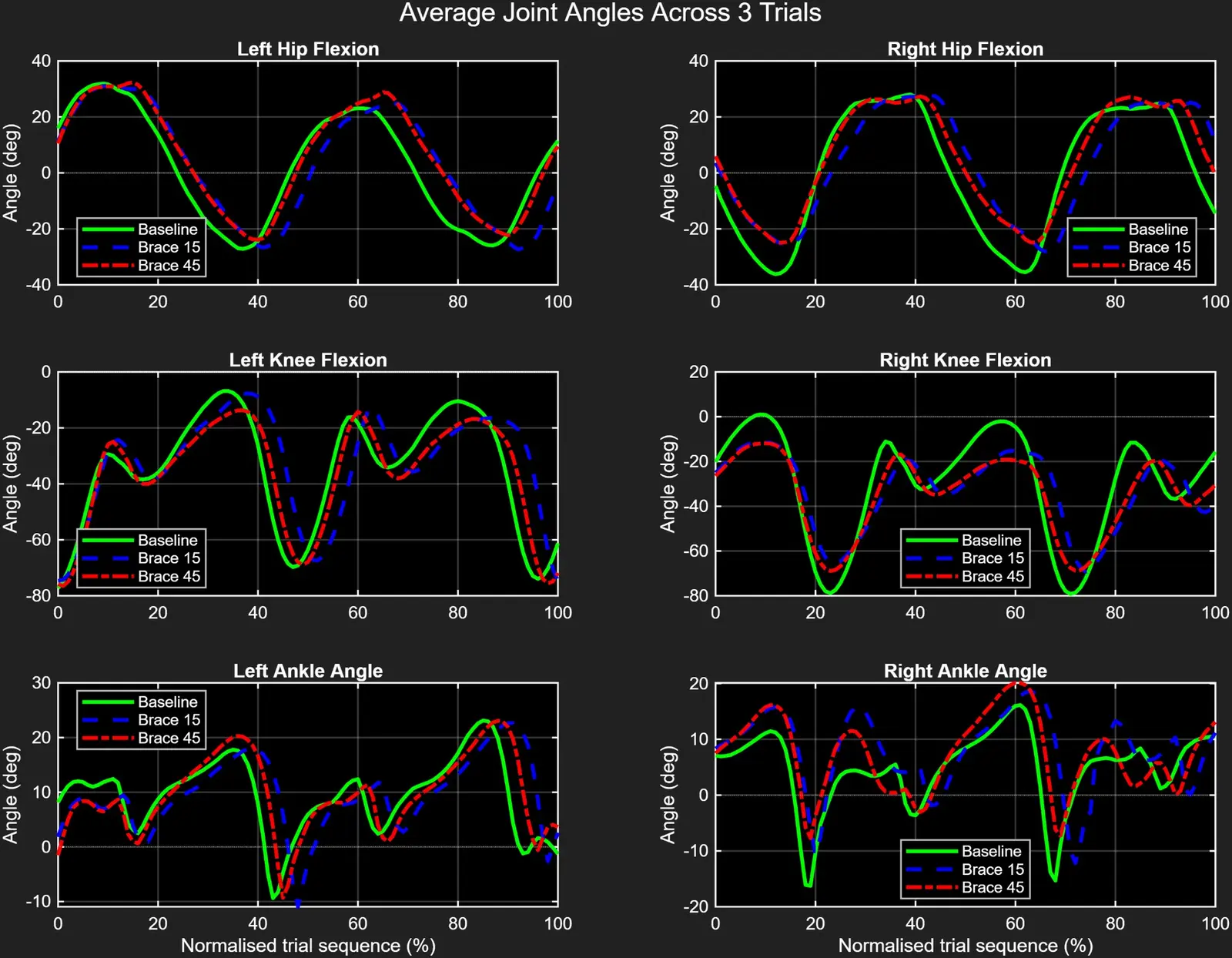
Used a scaled musculoskeletal model to compare gait across baseline and two knee-brace conditions.
OpenSim 4.6Motion captureForce plates
Project evidence →Liam Zamuner · Biomedical Engineering
I am Liam Zamuner, a final-year Biomedical Engineering student at the University of Wollongong. This portfolio presents my experience in biomechanics, mechanical design and medical-device development.
Analysis · design · validation · reflection
About
I am a final-year Biomedical Engineering student with an interest in medical-device development, testing and research.
My main strengths are analysing technical data, checking whether a design meets its requirements and explaining what the results do and do not show.
The OpenSim project shows my biomechanics and MATLAB experience. The shaft project shows mechanical calculations and ANSYS. The hydrogel dressing update shows how I would apply design controls, risk management and regulation to a medical device.
Tools and methods
Methods I have applied through biomechanics, mechanical design and medical-device development work.
Used a scaled musculoskeletal model to compare gait across baseline and two knee-brace conditions.
Imported, cropped, normalised, averaged and plotted nine trials so the three walking conditions could be compared consistently.
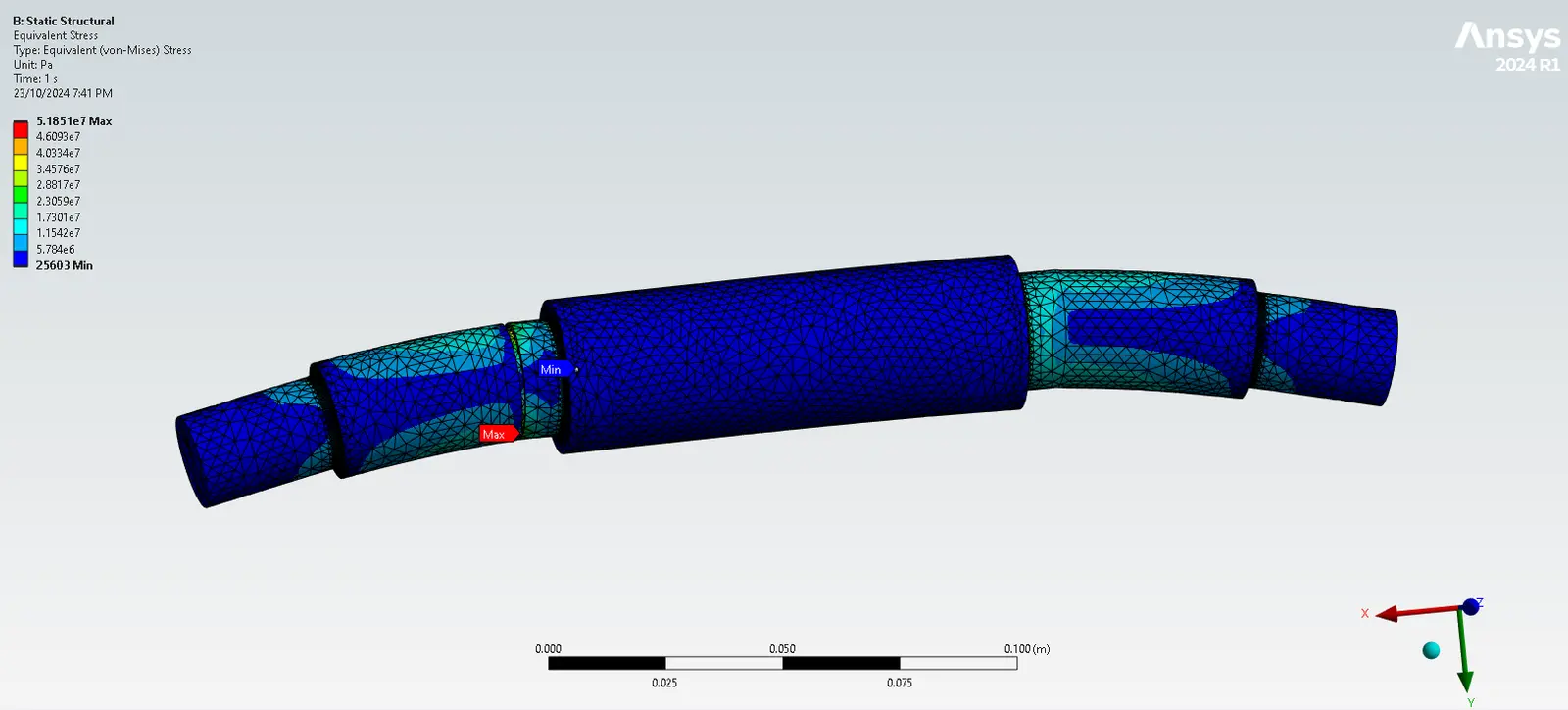
Used hand calculations, material selection and ANSYS static structural analysis to assess a cross-trainer shaft.
Applied user needs, House of Quality, FMEA, verification planning and the Australian regulatory pathway to a proposed wound-dressing update.
Selected case studies
Work across human movement, mechanical validation and medical-device development. Each case study covers the process, findings and what I would improve.
 OpenSim · MATLAB · Biomechanics
We used a knee brace, motion capture and force plates to examine how restricted knee flexion changed lower-limb movement and loading. I processed nine trials through OpenSim and MATLAB.
 Mechanical design · ANSYS
I sized and specified a stepped steel shaft, then used static structural FEA to assess stress and deformation under the stated operating load.
I developed a hypothetical update to an existing sterile hydrogel dressing by adding a fibre-reinforced responsive layer and planning the design, risk and regulatory pathway.
Beyond the case studies
Research, teamwork and practical work have shaped how I approach technical problems.
Developing and testing a moisture-responsive hydrogel-fibre actuator has improved my planning, record keeping and ability to separate preliminary results from supported conclusions.
Linked skills → experimental work, materials and technical reportingThe OpenSim and shaft projects required shared responsibilities, review of other members' work and consistent reporting across different technical sections.
Linked skills → teamwork, peer review and accountabilityProgressing from bartender to pizza chef at The Fraternity Club has developed my ability to prioritise tasks, follow safety procedures and communicate clearly during busy service.
Linked skills → reliability, safety and practical problem-solvingGet in touch
I am interested in graduate opportunities involving medical-device development, R&D and testing.